


Beyond rest and rehab lies a deeper science of healing, powered by your body’s natural hormones, such as growth hormone secretagogues. Most people think recovery ends with physical therapy, but what if your body’s chemistry holds the real key to faster, more substantial healing after surgery? The traditional RICE approach (Rest, Ice, Compression, Elevation) is fundamental in the early stages of recovery. It reduces swelling, minimizes inflammation, and stabilizes healing tissues within the first 48 hours post-surgery.
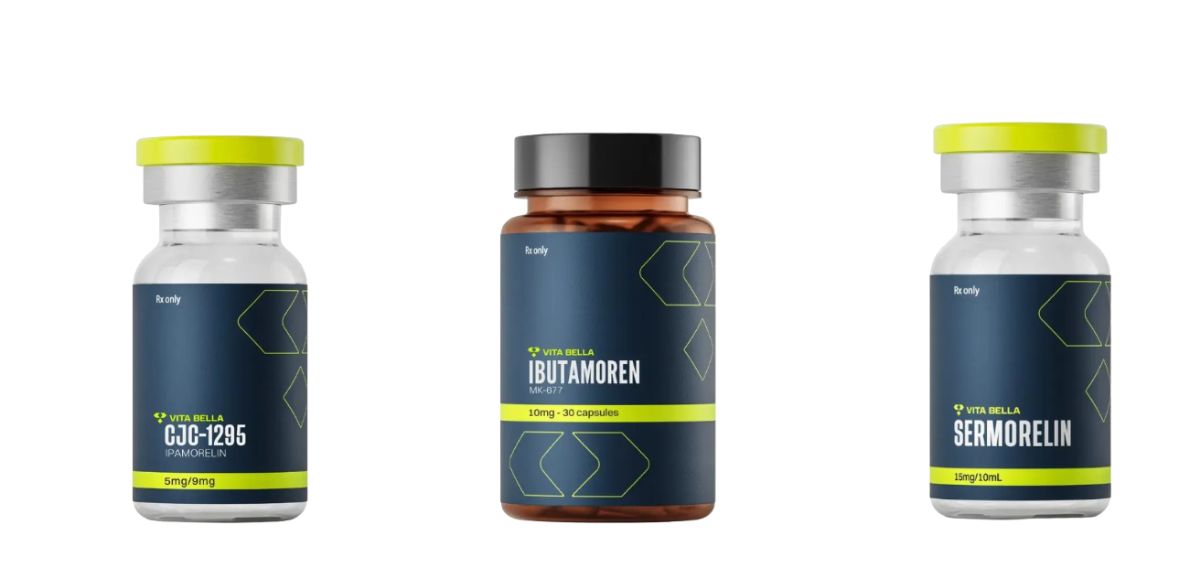
At Vita Bella, we believe recovery is more than repairing; it’s rejuvenation from within. Our advanced wellness approach supports your body’s natural healing chemistry by using growth hormone secretagogues (GHS) such as Sermorelin, Ipamorelin, and Ibutamoren. These peptides stimulate natural growth hormone release, enhancing tissue repair, muscle recovery, and overall vitality. Paired with guided rehabilitation and optimal nutrition, Vita Bella helps you heal faster, regain strength, and feel renewed inside and out.
Can Early Mobilization Speed Up Recovery and Reduce Hospital Stays?
RICE helps control initial trauma; extended immobilization can result in muscle atrophy, reduced blood flow, and slower rehabilitation progress. Early controlled movement preserves muscle mass and accelerates healing. A 2024 study 1 showed that early mobilization after orthopedic surgery reduced hospital stays by an average of 5.2 days and improved mobility outcomes and reduced postoperative pain scores.
Why Movement Matters Beyond RICE
While rest and immobilization are essential in the early stages of healing, movement becomes the cornerstone of long-term recovery. Studies in orthopedic rehabilitation reveal that initiating physical activity within 24–48 hours can increase joint range of motion and reduce postoperative complications. For instance, research 2 found that during the postoperative rehabilitation phase, the use of a brace fixation that immobilizes the shoulder in 30° of abduction often enhances tendon-bone healing by reducing strain on the repaired tendon.
Despite this evidence, most surgeons focus primarily on restoring structure and function, realigning bones, repairing tissues, and prescribing physiotherapy without considering the biochemical environment that drives recovery. True healing happens at the cellular level where hormones, nutrients, and growth factors regulate collagen synthesis, muscle repair, and inflammation control.
Is This the Biochemistry Surgeons Often Overlook in Recovery?
Post-surgical healing involves complex interactions between hormones, proteins, and immune mediators. Nutrient and hormonal deficiencies can impair wound repair, delay tissue regeneration, and worsen fatigue. The results 3 of the research show that vitamin D supplementation–especially high-dose regimens given before or shortly after surgery–greatly enhances muscular strength and functional outcomes in bariatric and orthopaedic procedures, including hip and knee replacements.
However, beyond nutrition lies a powerful yet underutilized element of recovery: hormonal balance, especially growth hormone (GH) and insulin-like growth factor-1 (IGF-1). These anabolic hormones regulate cellular repair, collagen synthesis, and lean tissue preservation, all of which decline with age and stress.
Are Growth Hormone Secretagogues (GHS) the Missing Link in Recovery?
Growth hormone secretagogues (GHS) like sermorelin, ipamorelin, and ibutamoren stimulate the body’s natural GH release, enhancing recovery from within instead of relying on synthetic hormone injections. They promote endogenous, physiologic GH production, leading to better tissue repair and muscle regeneration with fewer side effects.
Research 4 shows that GH plays significant physiological roles in the brain and peripheral tissues. The amplitude of the endogenous GH pulses decreases with age. As a result, GH replacement with bolus injection avoids the harmful feedback mechanisms that often prevent hyperstimulation and does not replicate normal physiology. The amplitude of episodic pulses should return to what is seen in young adults after true rejuvenation. The following are the GH secretagogues mostly used for recovery purposes:
1. Sermorelin
Sermorelin is a bio-identical analogue of growth hormone–releasing hormone (GHRH). It helps restore pulsatile GH secretion patterns, which are often disrupted with age or after surgery. It has been demonstrated that Sermorelin naturally increases GH and IGF-1 levels, improving lean body mass and recovery in adults. Patients reported improved energy, faster wound healing, and enhanced muscle tone within weeks of therapy.
2. Ipamorelin
Ipamorelin acts as a selective GH secretagogue by activating the ghrelin receptor. Unlike earlier peptides, it increases GH secretion without elevating cortisol or prolactin, making it a safer and cleaner anabolic agent. Ipamorelin improves protein synthesis, supports muscle retention, and enhances post-surgical healing when combined with rehabilitation.
3. Ibutamoren
Ibutamoren is an orally active compound that mimics ghrelin, stimulating GH and IGF-1 release. The latest research 5 looked at how ibutamoren helped older individuals heal from hip fractures. The effect of ibutamoren vs placebo on functional gains during rehabilitation was investigated in a double-blind, placebo-controlled study involving 161 patients with hip fractures. Compared with the placebo group, the ibutamoren group showed greater increases in IGF-1 levels (84% vs. 17%).
Can Integrating Biochemistry and Movement Create a Holistic Recovery Blueprint?
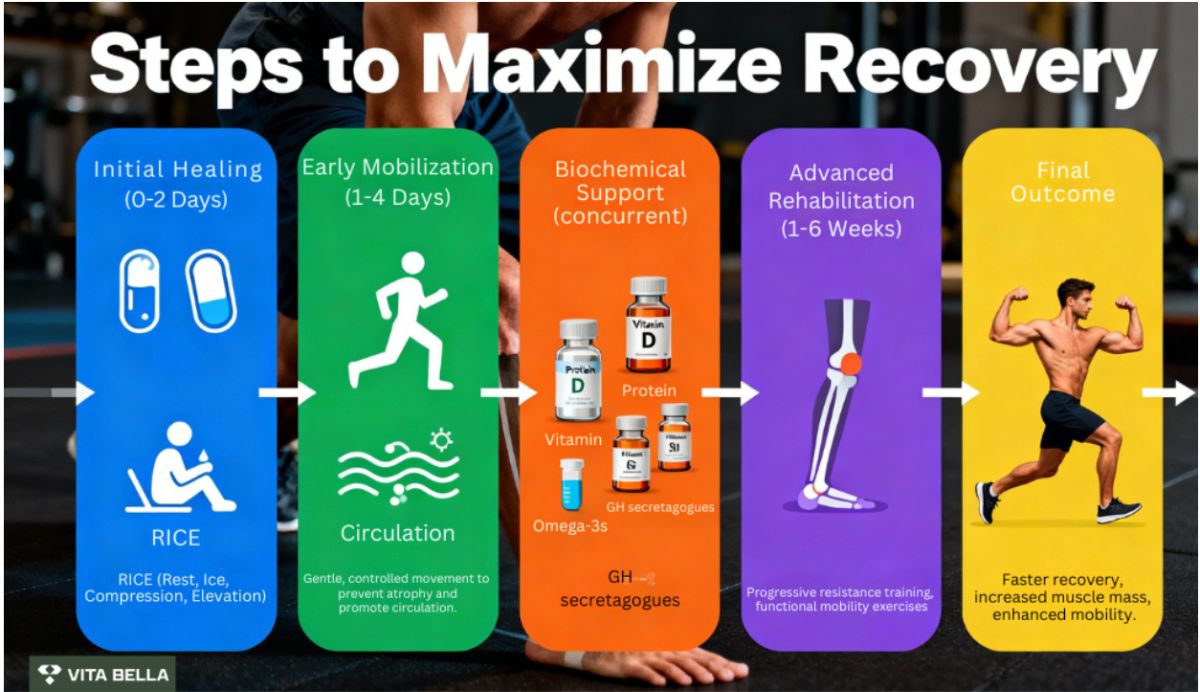
Integrating biochemistry and movement is key to optimizing recovery after surgery or injury. By combining movement therapies with hormonal and nutritional support, you can enhance tissue repair, preserve muscle mass, and reduce inflammation. To maximize post-surgical healing, patients benefit most from combining physical and biochemical recovery strategies:
Early Mobilization: Begin gentle, guided movement within 24–48 hours post-surgery to reduce muscle atrophy and enhance blood circulation.
Nutritional Support: Maintain protein intake, ensure adequate vitamin D, and include omega-3 fatty acids for anti-inflammatory benefits.
Hormonal Optimization: Under medical supervision, GH secretagogues like sermorelin, ipamorelin, or ibutamoren may be considered to support collagen production and tissue repair.
Stress Management: Cortisol control through mindfulness or breathwork prevents catabolic interference with healing.
These combined approaches not only restore movement but also rejuvenate tissue integrity at the molecular level.
Unlock Faster Healing, Discover Vita Bella Proven Methods
Physical therapy rebuilds movement but not always strength. If your recovery feels slow, hormones may be holding you back. Declining GH levels, cortisol imbalance, and nutrient deficiencies delay progress. Don’t just treat the symptoms. Unlock your full recovery potential. Your body deserves a recovery plan that restores balance, strength, and energy, not just mobility.
Vita Bella’s hormone-optimized recovery blends science and wellness to speed up repair. Our expert-guided therapies using Sermorelin, Ipamorelin, and Ibutamoren boost collagen synthesis and muscle regeneration. We help you move beyond recovery to revitalization. Empower your healing journey with Vita Bella today. Reclaim your energy, rebuild your confidence, and rediscover the strength your body was designed to have.
Frequently asked questions
Yes, balancing hormones–especially growth hormone (GH) and IGF-1–can significantly accelerate tissue repair and muscle regeneration after surgery. GH secretagogues like sermorelin, ipamorelin, and ibutamoren stimulate natural GH production, which supports collagen formation, reduces inflammation, and enhances energy levels, allowing patients to recover faster and more effectively than with physical therapy alone.
Yes, controlled early movement is proven to prevent muscle atrophy, improve circulation, and reduce joint stiffness, whereas prolonged rest can inhibit healing. Research shows early mobilization shortens hospital stays and improves long-term outcomes by maintaining muscle strength and flexibility while still protecting healing tissues when guided by a trained physical therapist.
Yes, when prescribed under medical supervision, growth hormone secretagogues like Sermorelin, Ipamorelin, and Ibutamoren are considered safe for supporting recovery. They naturally enhance the body’s own GH release instead of synthetic injections, reducing side effects. Clinical studies report improved lean body mass, wound healing, and energy balance in patients using these peptides responsibly.
Yes, nutrition and hormonal balance play synergistic roles in recovery. Adequate protein, vitamin D, omega-3 fatty acids, and amino acids fuel muscle repair, while optimal GH levels amplify these effects. Together, they accelerate collagen synthesis, tissue regeneration, and overall recovery speed, offering a more comprehensive approach than traditional physical therapy alone.
References:
Sharma, K. K., & Jyotishi, V. K. (2025). The impact of early mobilization on postoperative recovery in orthopedic surgery. International Journal of Advance Research in Medical Surgical Nursing, 7(2), 21‑24. https://doi.org/10.33545/surgicalnursing.2025.v7.i2a.263
Hao, B., Li, H., & Liang, A. (2025). Effects of early exercise and immobilization after arthroscopic rotator cuff repair surgery: A systematic review and meta‑analysis of randomized controlled trials. BMC Musculoskeletal Disorders, 26, Article 254. https://bmcmusculoskeletdisord.biomedcentral.com/articles/10.1186/s12891-025-08500-7
Wang, J. J.-D., Quak, G. S.-W., Lee, H.-B., Foo, L.-X., Tay, P., Mah, S.-M., Tong, C., & Koh, F. H.-X. (2025). The role of vitamin D supplementation in enhancing muscle strength post‑surgery: A systematic review. Nutrients, 17(9), 1512. https://doi.org/10.3390/nu17091512
Smith, R. G., & Thorner, M. O. (2023). Growth Hormone Secretagogues as potential therapeutic agents to restore growth hormone secretion in older subjects to those observed in young adults. The Journals of Gerontology: Series A, 78(Supplement 1), 38–43. https://doi.org/10.1093/gerona/glad022
Sigalos, J. T., & Pastuszak, A. W. (2018). The Safety and Efficacy of Growth Hormone Secretagogues. Sexual Medicine Reviews, 6(1), 45‑53. https://doi.org/10.1016/j.sxmr.2017.02.004